The Best Time to Visit Japan: A Season-by-Season Guideמתי הכי כדאי לטייל ביפן: מדריך לפי עונות

Editorial note: I write from personal experience. When a stay or trip was hosted or sponsored, I say so in the article. Opinions are always my own. Read my editorial standards →הערה עריכתית: אני כותבת מניסיון אישי. כששהות או טיול היו באירוח או בשיתוף פעולה ממומן, אני מציינת זאת במאמר. הדעות תמיד שלי. לסטנדרטים העריכתיים שלי ←
There is no single answer to when is the best time to visit Japan, and anyone who gives you one simply does not know Japan well enough. Every season has its own Japan, and the decision depends on one question: what do you want to feel.
Spring (March to May): the blossom
This is the season everyone dreams of, and rightly so. The cherry blossom, the sakura, turns the cities into a pink dream for about two weeks only. But it is also unpredictable, early or late every year, and it brings crowds and high prices. If you are coming for the blossom, book flights and hotels very early, and stay flexible with dates.
I saw the cherry blossom in Kyoto once, and ever since I understand why the Japanese built an entire philosophy around it. The beauty is so brief it hurts.
Summer (June to August): humid and alive
June is tsuyu, the rainy season, and no one likes to talk about it. But here is a secret: the June rain is soft, the temples are empty of tourists, and everything is green and glistening. July and August are hot and very humid, but full of festivals (matsuri) and fireworks. If you can handle the heat, this is an authentic and less photographed Japan.
Autumn (September to November): the gold
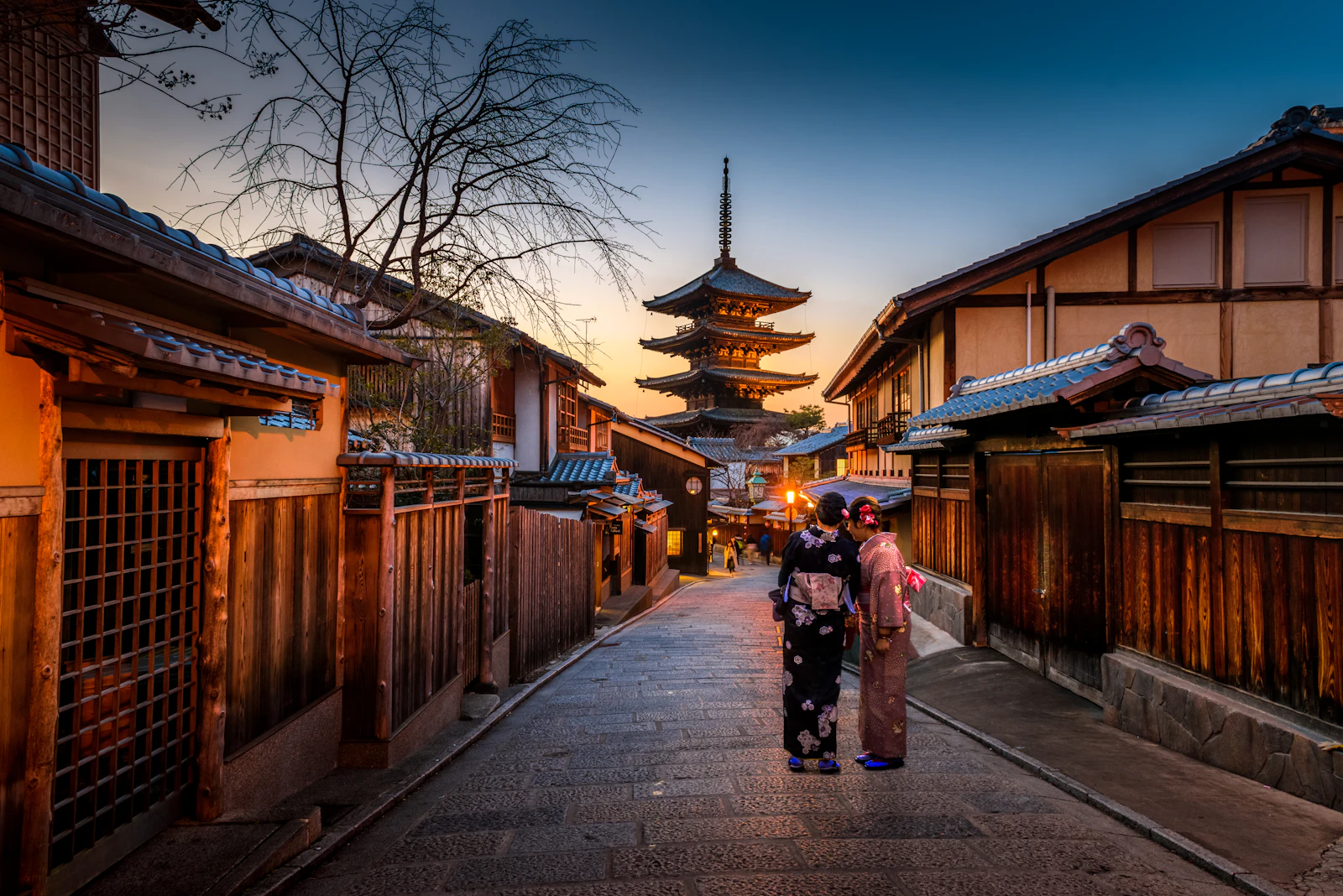
If I had to choose one season, I would choose autumn. The weather is perfect, the skies clear, and in November the autumn leaves (koyo) paint Kyoto red and gold. Less crowded than spring, no less beautiful. This is the season I recommend to most people.
Winter (December to February): quiet and snow
Winter in Japan is underrated. Tokyo and Kyoto are cold but dry and bright, the temples are quiet, and prices are gentler. In the north, in Hokkaido, there is some of the best powder snow in the world. It is also the season with the best chance of seeing Mount Fuji, when the air is clear.
So when?
For most of you: late October to mid-November. For dreamers: mid-April, if luck shines. For seekers of quiet and value: January. Once you have chosen a date, take my Japan itinerary and start building.
אין תשובה אחת לשאלה מתי הכי כדאי לטייל ביפן, ומי שנותן לכם תשובה אחת פשוט לא מכיר את יפן מספיק. לכל עונה יש יפן משלה, וההחלטה תלויה בשאלה אחת: מה אתם רוצים להרגיש.
אביב (מרץ עד מאי): הפריחה
זו העונה שכולם חולמים עליה, וזה מוצדק. פריחת הדובדבן, ה-sakura, הופכת את הערים לחלום ורוד למשך כשבועיים בלבד. אבל היא גם בלתי צפויה, מקדימה או מאחרת בכל שנה, ומביאה איתה המון תיירים ומחירים גבוהים. אם אתם באים בשביל הפריחה, שרייינו טיסה ומלון מוקדם מאוד, ותהיו גמישים בתאריכים.
ראיתי את פריחת הדובדבן בקיוטו פעם אחת, ומאז אני מבינה למה היפנים עושים מזה פילוסופיה שלמה. היופי כל כך קצר עד שהוא כואב.
קיץ (יוני עד אוגוסט): לח וחי
יוני הוא tsuyu, עונת הגשמים, ואף אחד לא אוהב לדבר עליה. אבל הנה סוד: הגשם ביוני רך, המקדשים ריקים מתיירים, והכל ירוק ומבריק. יולי ואוגוסט חמים ולחים מאוד, אך מלאים בפסטיבלים (matsuri) וזיקוקים. אם אתם עומדים בחום, זו יפן אותנטית ופחות מצולמת.
סתיו (ספטמבר עד נובמבר): הזהב
אם הייתי צריכה לבחור עונה אחת, הייתי בוחרת בסתיו. מזג האוויר מושלם, השמיים צלולים, ובנובמבר עלי השלכת (koyo) צובעים את קיוטו באדום וזהב. פחות המוני מהאביב, יפה לא פחות. זו העונה שאני ממליצה עליה לרוב האנשים.
חורף (דצמבר עד פברואר): שקט ושלג
החורף ביפן מוערך פחות מדי. טוקיו וקיוטו קרות אך יבשות ובהירות, המקדשים שקטים, והמחירים נוחים יותר. בצפון, בהוקאידו, יש שלג אבקתי מהטובים בעולם. וזו גם העונה שבה יש הכי הרבה סיכוי לראות את הר פוג'י, כשהאוויר צלול.
אז מתי?
לרובכם: סוף אוקטובר עד אמצע נובמבר. לחולמים: אמצע אפריל, אם המזל יאיר. למחפשי שקט ומחיר: ינואר. אחרי שתבחרו תאריך, קחו את מסלול הטיול ליפן שלי ותתחילו לבנות.
Questions about this storyשאלות על הסיפור
Is this article available in Hebrew and English?האם המאמר זמין בעברית ובאנגלית?
Yes. Use the language button in the header to switch between Hebrew and English on the same page.
כן. השתמשו בכפתור השפה בראש העמוד כדי לעבור בין עברית לאנגלית באותו URL.


